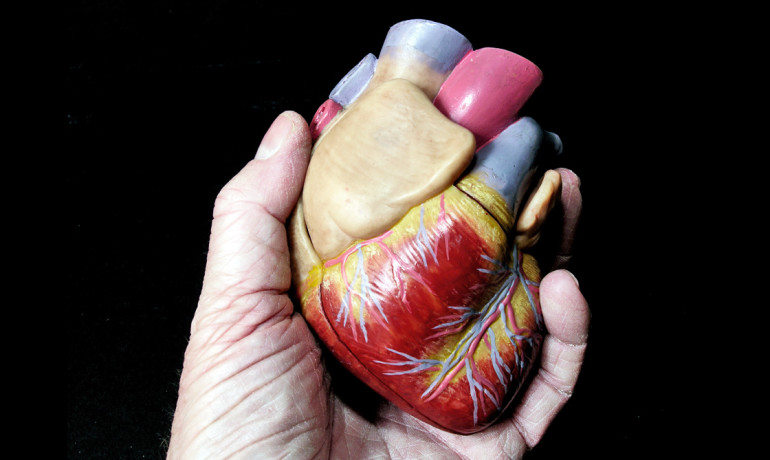
The rejection of transplanted organs in hosts that were previously tolerant may not be permanent, according to new research.
Using a mouse model of cardiac transplantation, the researchers found that immune tolerance can spontaneously recover after an infection-triggered rejection event, and that hosts can accept subsequent transplants as soon as a week after.
This process depends on regulatory T-cells, a component of the immune system that acts as a “brake” for other immune cells.
The findings, published online in Nature Communications, support inducing immune tolerance as a viable strategy to achieve life-long transplant survival.
“Transplantation tolerance appears to be a resilient and persistent state, even though it can be transiently overcome,” says Anita Chong, professor of transplantation surgery at the University of Chicago and co-senior author of the study. “Our results change the paradigm that immune memory of a transplant rejection is invariably permanent.”
INFECTION AND REJECTION
To prevent transplant rejection in patients with end-stage organ failure, a lifelong regimen of immune-suppressing drugs is almost always required. While difficult to achieve, immune tolerance—in which a transplanted organ is accepted without long-term immunosuppression—can be induced in some patients.
However, rejection can still be triggered by events such as bacterial infection, even after long periods of tolerance. It has been assumed that the immune system remembers rejection and prevents future transplants from being tolerated.
Chong and her colleagues have previously shown in mice that certain bacterial infections can disrupt tolerance and trigger rejection of an otherwise stable transplant.
As they further studied this phenomenon, they made a surprising observation. Infection-triggered rejection caused the number of immune cells that target a transplant to spike in tolerant mice as expected. But they were dramatically reduced seven days post-rejection. This ran counter to rejection in non-tolerant recipients, where these cells remain at elevated levels.
HEART TRANSPLANTS
To identify the explanation for this observation, the team grafted a heart into the abdominal cavity of experimental mice and induced immune tolerance. After two months of stable tolerance, the researchers triggered rejection via infection with Listeria bacteria, which caused the transplant to fail.
They then grafted a second heart from a genetically identical donor as the first, a week after rejection of the initial graft. This second transplant was readily accepted and remained fully functional over the study period. A second set of experiments, in which a second heart was grafted roughly a month after rejection to give potential immune memory more time to develop, showed similar long-term acceptance.
The team discovered that regulatory T cells (Tregs)—a type of white blood cell that regulates the immune response by suppressing the activity of other immune cells—were required for the restoration of tolerance. When they depleted Tregs in a group of mice one day before the transplantation of the second heart, the newly transplanted organ was rejected. This suggested that Tregs act as a “brake” that prevents other immune cells from targeting and rejecting the second transplant.
“The methods for achieving transplantation tolerance differ between mice and humans, but the mechanisms that maintain it are likely shared,” says Marisa Alegre, professor of medicine at the University of Chicago and co-senior author of the study. “Our results imply that tolerant patients who experience rejection could be treated with short-term immunosuppressive medications to protect the transplant, and then weaned off once tolerance returns.”
In addition to presenting new treatment options for current and future tolerant patients who experience transplant rejection, shedding light on the mechanisms involved in tolerance recovery could lead to the discovery of biomarkers or bioassays that predict whether recipients can be safely taken off immunosuppression.
The findings also hint at possible connections with autoimmune disease and cancer, which both disrupt the immune system’s ability to distinguish “self” from “nonself.” Better understanding of how immune tolerance is lost and regained could inform efforts toward establishing stronger and more durable phases of remission in autoimmune disease and toward preventing cancer recurrence.
“We’re now working to understand in greater detail the mechanisms for how this return of tolerance happens,” says study author Michelle Miller, graduate student in molecular medicine at the University of Chicago. “We want to find if there are other mechanisms besides Tregs that mediate tolerance and help prevent memory of the rejection.”
Fuente: www.futurity.org