(goodhousekeeping.com) We've all heard the phrase — now here's what it really means.
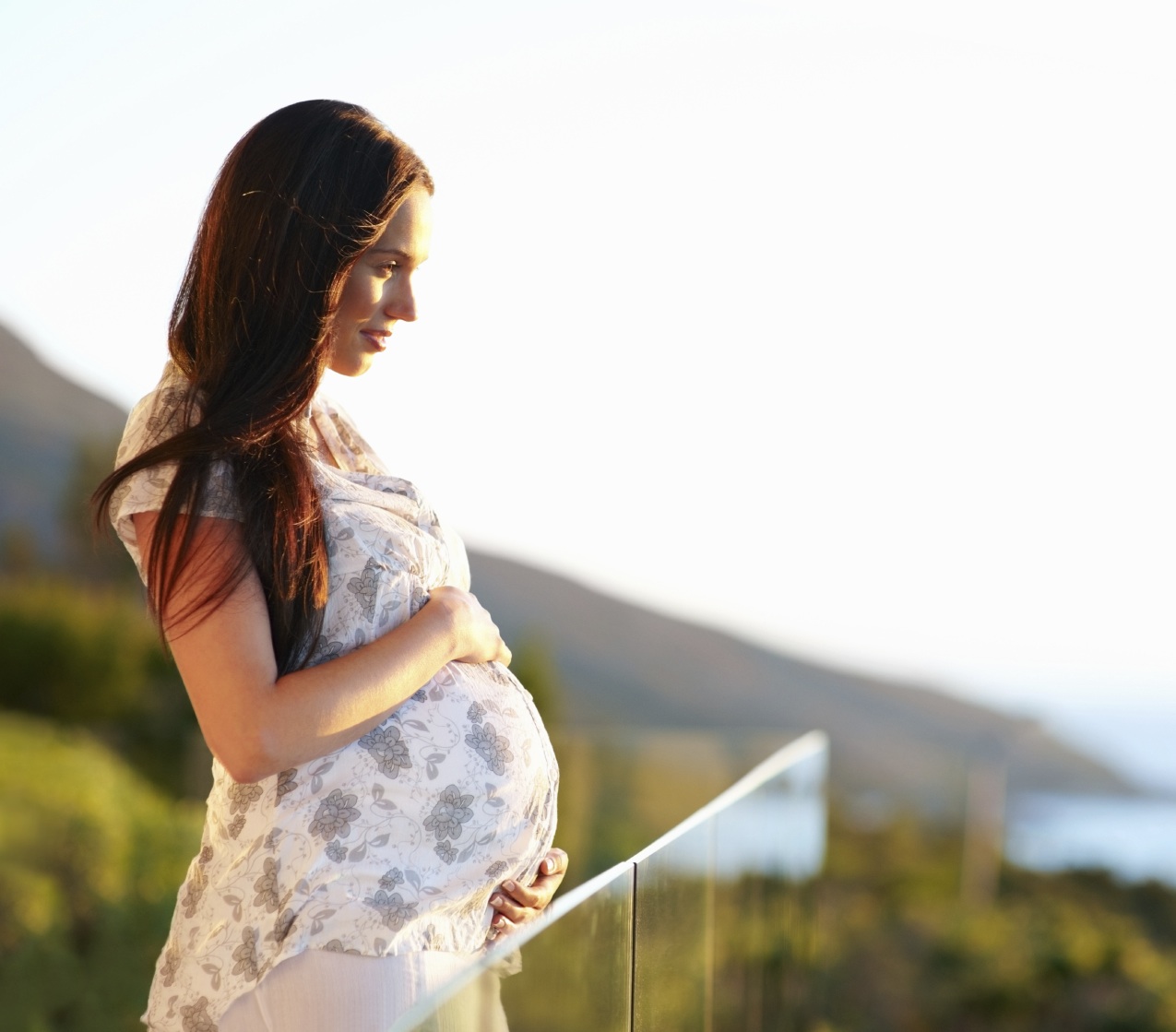
It's a phrase every pregnant woman hears at some point, whether it's from loved ones or strangers: "You're glowing!" But what does it actually mean? Do women naturally get a nice, warm flush when they're expecting, or is it just a myth? We went to the experts to find out.
"There are physiological changes that occur in women during pregnancy that contribute to a facial 'pregnancy glow,'" explains Debbie Palmer, D.O., a board-certified dermatologist and founder of Replere Skincare. "A few factors that contribute to this include increased hormones, which cause facial oil glands to produce more oil, making the facial skin more shiny, and an increase in blood flow to the skin, making facial skin brighter or blushed." As a result, pregnant women wind up looking a little extra radiant.
That said, pregnancy isn't necessarily kind to everyone's skin. Due to the increase in hormones and oil production, some women start to see blemishes and even acne popping up, says Draion M. Burch, D.O., a.k.a. Dr. Drai, a board-certified obstetrician and gynecologist. To reduce this frustrating side effect, he recommends switching to an oil-free cleanser.
A lesser-known skin condition that can develop during pregnancy: melasma, sometimes referred to as the "pregnancy mask," which gives the face a brownish blotchiness. "The mask of pregnancy or melasma is hyperpigmented or brown facial patches of skin caused by a combination of hormones and sun exposure," explains Dr. Palmer. While these splotches tend to fade 3 to 6 months after pregnancy, patches can reappear with repeated sun exposure. To prevent this from occurring, Dr. Palmer recommends wearing a zinc oxide/titanium dioxide sunscreen with an SPF of 30 or greater and a hat — something we should all do, not just pregnant women.
Fuente: www.goodhousekeeping.com