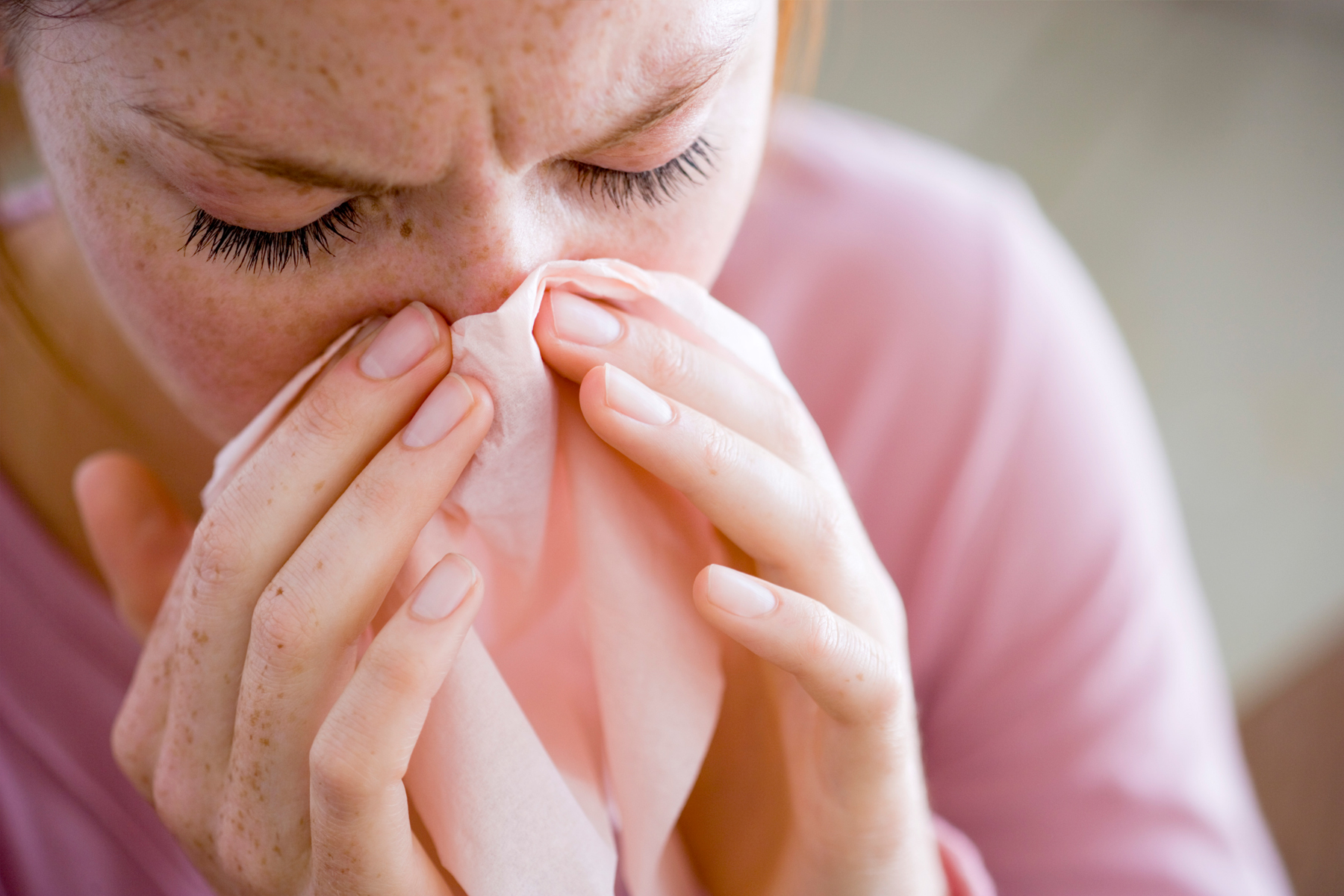
Some specialists say it is called cold-break urticaria, and it is a reaction of the skin to exposure to cold stimuli such as wind, cold temperatures, washing or immersion in cold water, contact with cold objects or ingestion of drinks or cold foods. It manifests with sharp sprouts of red welts on the skin (or skin rash), which produce itching and other symptoms that may include fever,
For Carlos Torres Lozano, head of the Department of Immunology of the Hospital of Specialties of the IMSS Jalisco indicated that "for there to be an allergy as such there must be an immunological mechanism where the patient inhales, eats or injects some protein element that triggers an inflammatory process from the organism to the aggressor protein ".
"But that's not the case with cold, which, strictly speaking, is simply a change in temperature, and cold allergy can not exist." Changes in temperature cause nasal and bronchial hyperreactivity in people with allergic rhinitis and asthma, such as mucous discharge, coughing, difficulty breathing, "the same happens when the patient is exposed to strong odors or consumes cold drinks."
He explained that in the specific case of asthmatics, it happens that there is damage to the epithelium, covering the bronchus, so that nerve fibers can react strongly when exposed to certain physical factors, such as inhaling cold air.
"If there is an allergic reaction as a cause of the discomfort, both patients with rhinitis and asthmatics should consider immunotherapy as an alternative, because it decreases the possibility of having nasal and bronchial hyperreactivity, that is the best way to spend the winter season."
He urged the population in general to consume antioxidants and vitamin C, because during late and early in the year the virus and bacteria responsible for diseases such as influenza, which aggravate the condition of people with hyperreactivity and / or allergies abound in the environment.
"These patients are like magnets for this type of infections, it is best to take a good diet and take preventive measures such as the application of vaccines and hand washing at home," he said.
Fuente: www.adn40.mx