A century ago, male doctors were quick to diagnose female patients with a slate of bizarre illnesses if they appeared in the least bit troubled or anxious. The diseases ranged from those affecting women's faces to those affecting women's reproductive organs, but all were absolutely ridiculous.
The Vapours
"Vapours" was a catchall term for maladies ranging from depression to fainting to PMS to anxiety in the late 19th century. The ambiguous ailment was common among suffragettes who were seen as nervous, wound up and mentally ill for so strongly adhering to their cause. The cure for their impropriety was bed rest and the occasional smelling salts.
Neurasthenia
Like vapours, neurasthenia was a term used to describe vague anxiety, fatigue, depression, and heart palpitations beginning in 1829. The disorder became popular in the late 1800s and was often attributed to women who were viewed as weak against the stresses of modern day living. Virginia Woolf was diagnosed with the ailment in her day and described the resting cure she underwent in her book, "On Being Ill."
An Overload Of Emotions
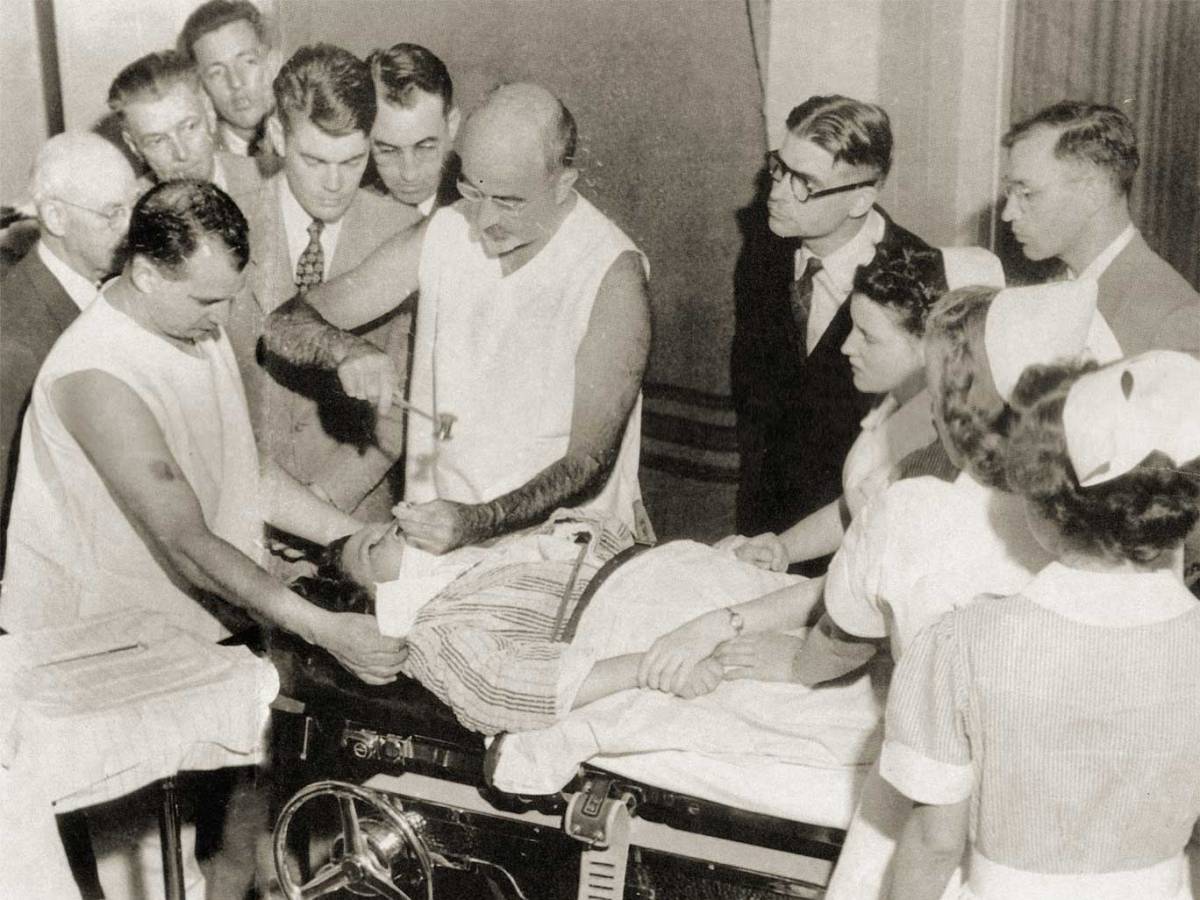
In the mid 20th century, one doctor named Walter Freeman believed that the best way to handle an overly emotional woman was to sever her brain nerves. Freeman performed the first lobotomy on a Kansas housewife in 1936 and was soon executing thousands of procedures, many of them on women. By the early 1950s, as many as 50,000 Americans had undergone a lobotomy and the surgery with some becoming permanently changed for life.
Fuente: allday.com