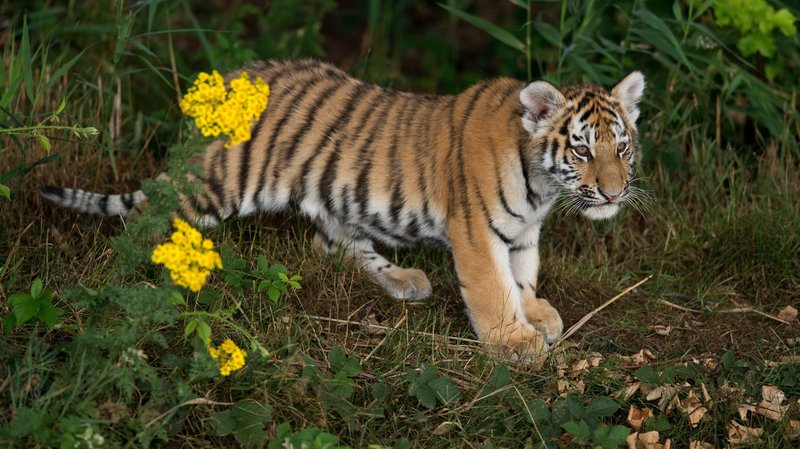
Number Of Wild Tigers Increases For First Time In 100 Years

 
Related

12 foods that help your liver detox your body

About everything
324 points

5 key reasons why parenting is in crisis right now

About everything
632 points


Most recent

Cuando la vida nos habla más despacio

Enrique TF
8 points

Ni botones ni manos: el celular que detecta sus movimientos para grabarlo desde cualquier ángulo

Prensa
14 points

Contribución laboral: el impacto de la entrega profesional en el desarrollo colectivo

Hablemos de eso
20 points

Así podrá enviar dólares desde Estados Unidos a Colombia sin pagar comisión ni margen de cambio

Economía
12 points

El poder del propósito corporativo en las empresas modernas

Hablemos de eso
14 points

Iniciativas que impulsan la colaboración y el crecimiento profesional en Argentina

Hablemos de eso
14 points

Perder la racha en redes: el drama digital de los jóvenes y cómo gestionar su seguridad

Prensa
12 points

Inter se expande en Suramérica e impulsa la competencia de banca digital e inversiones en la región

Economía
8 points

El valor del servicio comunitario en los jóvenes

Hablemos de eso
10 points

Así impulsan a microempresarios de Barranquilla a consolidar y estructurar sus negocios

Prensa
14 points
SHARE
TWEET
The number of tigers in the wild has risen from an estimated 3,200 in 2010 to about 3,890 in 2016 — a gain of more than 20 percent after a century of decline, according to the World Wildlife Fund. The group says the tiger populations have grown in at least four countries: India, Russia, Nepal and Bhutan.

Number Of Wild Tigers Increases For First Time In 100 Years

Early in the 20th century, the world had more than 100,000 tigers in it, as the author Caroline Fraser wrote in a report for Yale University back in 2010.

The population increase "is a pivotal step in the recovery of one of the world's most endangered and iconic species," said Ginette Hemley, senior vice president of wildlife conservation at WWF.

The findings are being praised as a key step toward a lofty goal that was set in 2010: to double the number of wild tiger populations worldwide by 2022. The survey gives a progress report at that initiative's halfway mark.

The WWF cites factors such as better survey processes and enhanced protections in explaining the gains. But it adds that the world's tigers remain threatened by shrinking habitats in Asia and that they are also a prime target for poachers.

"Every part of the tiger — from whisker to tail — is traded in illegal wildlife markets, feeding a multi-billion dollar criminal network," the organization says.

Fuente: www.npr.org
SHARE
TWEET
To comment you must log in with your account or sign up!
Featured content