Does breakfast in the morning kick-start your metabolism? Can certain foods increase your metabolism? Would you burn more energy in a colder climate? Is metabolism influenced by gender?
Dietitian Jade Seeliger separates the myths from the facts.
Defining metabolism
Metabolism is the rate at which your body uses the food that you consume for energy. Your body needs a certain amount of energy to keep your vital functions going – including keeping your heart pumping, your lungs breathing and your gastrointestinal tract digesting and absorbing nutrients.
Your energy needs are largely determined by the normal functioning of your thyroid gland, your lean muscle mass and your genetic make-up.
But could your metabolism be slightly affected by gender, climate, eating breakfast, hormones, your weight, activity level or specific foods?
Debunking the myths
1. Eating breakfast will kick-start my metabolism
Eating breakfast is important for many reasons; one of them is that it provides 20–25% of your daily nutrient requirements. Research has found that breakfast eaters are more likely to make healthier food choices, be at a healthier weight and find it easier to lose weight.
Unfortunately, breakfast does not kick-start your metabolism. Your metabolism is constantly running and doesn't need to be "kick-started" in the morning.
Breakfast is also important because it provides fuel for you to do your daily activities, which is needed after the period of fasting while you were asleep.
New evidence does, however, show that due to circadian rhythms our bodies seem to burn energy more effectively earlier in the day.
2. Men have a faster metabolism than women
If you're female and embarked on a weight-loss competition with a male counterpart, you may find yourself disappointed. Very often men get much more reward for much less effort, and it shows on the scale. A man with the same height and weight as a woman has a metabolism that is 5–10% faster. The reason for this is the higher muscle mass men have compared to women.
3. Certain foods increase your metabolism
Too often specific foods are labelled as “superfoods” because of their nutrient quality or the health effect they may have. Although there are certain functional foods which have been found to have a beneficial effect on health, all whole foods contain a variety of vitamins and minerals important for good health.
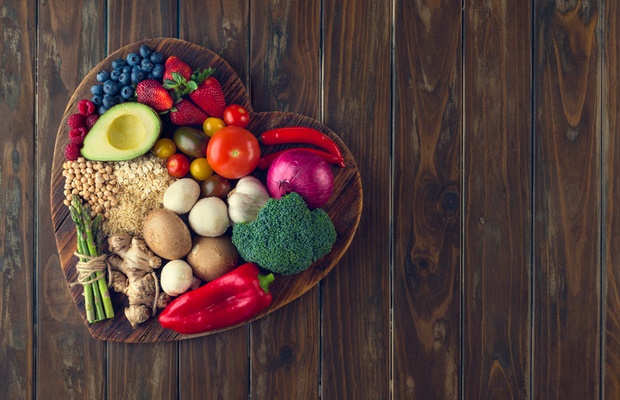
In this case, however, there are some foods and drinks that can have a slight effect on your metabolism. These foods can increase metabolism by between 5–30%. This is known as the thermic effect of foods, as certain foods require slightly more energy to be digested and absorbed. These include spicy foods, chillies and caffeine, as well as meals that are higher in protein (in comparison to fat).
It is, however, important to note that the secret to long-term weight loss is a kilojoule- and portion-controlled diet as opposed to eating for example loads of curry.
4. Extreme heat or cold will increase metabolism
I often hear people say that if they are very cold it is a huge bonus, as they will burn more kilojoules. They are onto something, as individuals living in a very hot or cold climate have a 5–20% higher metabolism than those living in a temperate climate. It boils down to the fact that your body must work harder at staying within its safe temperature range.
5. Overweight or obese individuals have a more sluggish metabolism
The assumption is that an overweight person is carrying mostly fat and less lean muscle. Interestingly, obese or overweight individuals have a higher metabolic rate compared to those who have a normal weight. This is because a higher muscle mass is required to support the extra weight.
The verdict
There are several factors that may affect your metabolism, including gender, weight and climate, as well as certain foods and drinks. The easiest way to increase your metabolism – besides moving to the Antarctic, living in your board shorts and bikini, and snacking on chillies – is by increasing the amount of exercise you do and your lean body mass (muscle mass).
It's really quite simple – the more muscle mass you have, the more fuel you need to keep it going.
Written by: Jade Seeliger
Fuente: www.health24.com