Magnesium is a mineral that's essential for the body to function. But despite this, many people don't get enough.
The mineral is vital for the central nervous system to operate and it strengthens bones and teeth (especially the hard enamel).
In mild to moderate magnesium deficiency, several warning signs appears and health problems may arise.
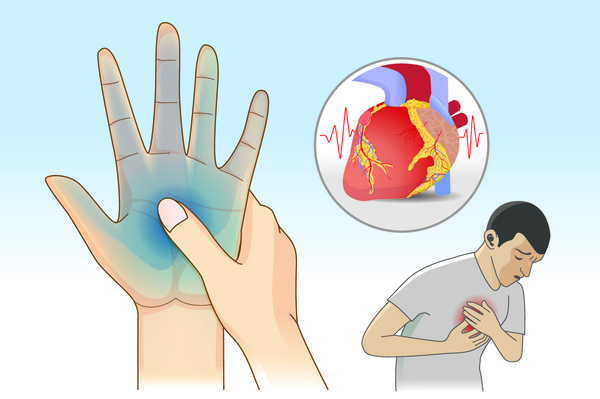
At worst, a lack of magnesium can lead to heart attacks, depression, or diabetes.
"If the magnesium level in the blood starts to sink, you have one foot in the grave," says professor and doctor Rune Eliasson.
Signs of magnesium deficiency
Eating a one-sided diet raises the risk of having magnesium deficiency.
The first symptoms of magnesium deficiency are headaches, nausea, vomiting, loss of appetite, muscle cramps, migraines, and fatigue.
Chronic magnesium deficiency can cause numbness, changes in personality, anxiety, and abnormal heart rhythms.
Seven foods packed with magnesium
Kale
Bak choy
Wheat germ
Brussels sprouts
Broccoli
Romaine lettuce
Spinach
Other foods that are also a major source of magnesium:
Avocado
Raw cocoa kernels/unsweetened cocoa powder
Squash
Fruit and berries
Fish oil
Herbs and spices (cumin, parsley, mustard seed, fennel)
Seeds and nuts (pumpkin seeds, sunflower seeds, cashews)
How much magnesium do you need?
The National Institute of Health in the United States lists figures on how much magnesium you need per day, depending on how old you are.
The recommended daily intake is about 310 milligrams for women and 400 milligrams for men.
According to Professor Robert Tigerstedt, the daily intake of magnesium was about 1,250 mg in the early 20th century. Today, it's only about 250 milligrams per day. The recommended dose is at least 300-400 mg per day, which means that many people suffer from magnesium deficiency.
One reason for this? Our modern diet and food production. For example, 75 percent of the magnesium in white bread and rice has disappeared over the years.
Magnesium supplements are available at pharmacies and health food stores.
There are different types: magnesium chloride (tastes bitter but is most recommended), magnesium citrate (a better option if you suffer from, for example, heartburn), magnesium sulfate (perfect to pour into a relaxing hot bath).
It's also important to balance your intake of calcium and magnesium. Vitamin D also inhibits magnesium intake and therefore shouldn't be taken with it.
How magnesium helps the body
The mineral affects over 300 enzyme systems and helps cells to function in the muscles, nerves, and the metabolizing of calcium.
Magnesium also has positive effects on a variety of diseases, such as atrial fibrillation, hypertension, myocardial infarction, PMS, menstrual problems, asthma, diabetes, osteoporosis, leg cramps, memory function, and kidney function.
Fuente: en.newsner.com