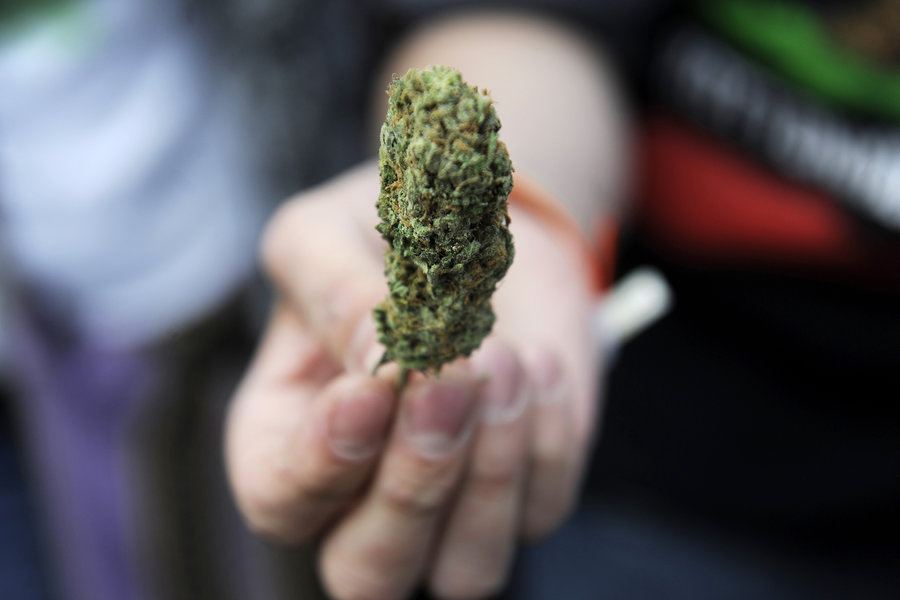
Cannabis is an illicit substance in much of the world, but its clinical use is quite recurrent due to its effectiveness and reception in the prescribed patients. It is also associated with relaxation of the body at drastic levels. Nevertheless, a new study by researchers in Seattle has found adolescents with chronic or severe depression are at a higher risk of developing a cannabis-use problem at 18.
Cannabis and alcohol are the two most commonly used substances among youth in the United States, and cannabis has surpassed tobacco in the past decade in prevalence among youth.
Researchers from the University of Washington Health Sciences and University of Washington Medicine interviewed 521 students age 12 to 15 from four public middle schools in Seattle about depression and cannabis use. The students were re-interviewed when they turned 18.
The study, published July 17 in the journal Addiction, found that the prevalence of cannabis- and alcohol-use disorder was higher than national estimates with 21 percent of participants meeting the criteria for cannabis-use disorder and 20 percent meeting the criteria for alcohol-use disorder at age 18.
"The findings suggest that if we can prevent or reduce chronic depression during early adolescence, we may reduce the prevalence of cannabis use disorder," Isaac Rhew, research assistant professor of psychiatry and behavioral sciences at the University of Washington School of Medicine, said in a press release.
The study revealed "a 1 standard deviation increase" in cumulative depression in early adolescence was linked with a 50 percent higher likelihood of developing cannabis-use disorder.
Researchers do not know the exact affect the easing of marijuana laws in Washington state have had on the prevalence of cannabis use in adolescence.
Fuente: www.upi.com