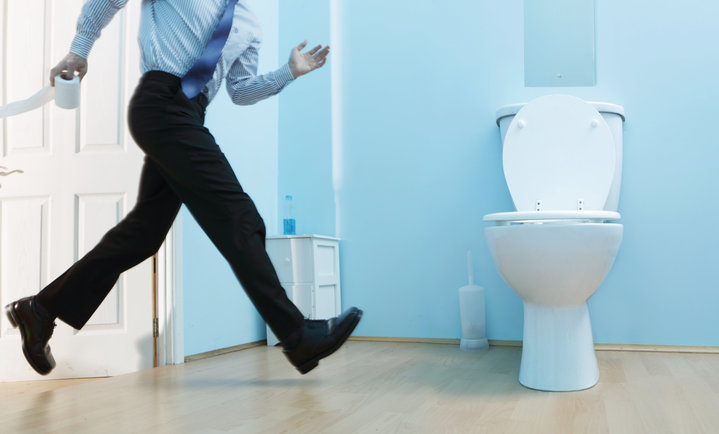
This is why you have to pee so often in the morning

 
Related

Eye-catching NuBike goes with drive levers instead of a chain

Health at home
788 points

How to tell if cheat days are sabotaging your weight loss

Health at home
490 points


Most recent

Cultura organizacional en Argentina: por qué las empresas que cuidan a su gente crecen más

Hablemos de eso
14 points

Cuando el poder decide quién puede informar (Trump/USA)

Enrique TF
8 points

Resistente al agua y con batería de 35 días: así es el nuevo reloj que se vende en Colombia

Tecnología
12 points

Batería para 2,5 días y botón de IA: así es el nuevo HONOR 600 Smart que llega a Colombia

Tecnología
8 points

La urgente necesidad de reírse un poco

Enrique TF
8 points

¿Dejar el celular cargando toda la noche encarece la luz? Lo que dicen los datos en Colombia

Tecnología
18 points

Networking en Perú: claves para la empleabilidad y el crecimiento profesional

Hablemos de eso
14 points

Cómo las experiencias compartidas transforman los equipos de trabajo

Hablemos de eso
14 points

Encuentro feliz (de Ildefonso Robledo)

Enrique TF
12 points

Nutricionista Pablo Ojeda en La Sexta: productos "light" o "sin azúcares añadidos", SON UN ENGAÑO

Enrique TF
10 points
SHARE
TWEET
At night, your kidneys filtrate less urine, and your bladder relaxes and holds more of it. Plus, a hormone called vasopressin instructs cells to retain water.

This is why you have to pee so often in the morning

So considering those factors, it’s not surprising that your bladder may be quite full in the morning.

Then, is your first liquid a mug of coffee? Caffeinated beverages can have a diuretic effect.

Also consider whether you just have to pee a lot all the time. If so, see your doctor to check for a urinary tract infection (peeing would be painful) or overactive bladder.

Less commonly, needing to pee a lot could be a sign of a medical condition like diabetes (often accompanied by thirst) or uterine fibroids, which are benign growths (you might feel pressure or have heavy periods).

Again, in those cases, see your doctor.

Source: Dr Keri Peterson, internal medicine, Lenox Hill Hospital in New York City

This article was originally published on

Fuente: www.health24.com
SHARE
TWEET
To comment you must log in with your account or sign up!
Featured content