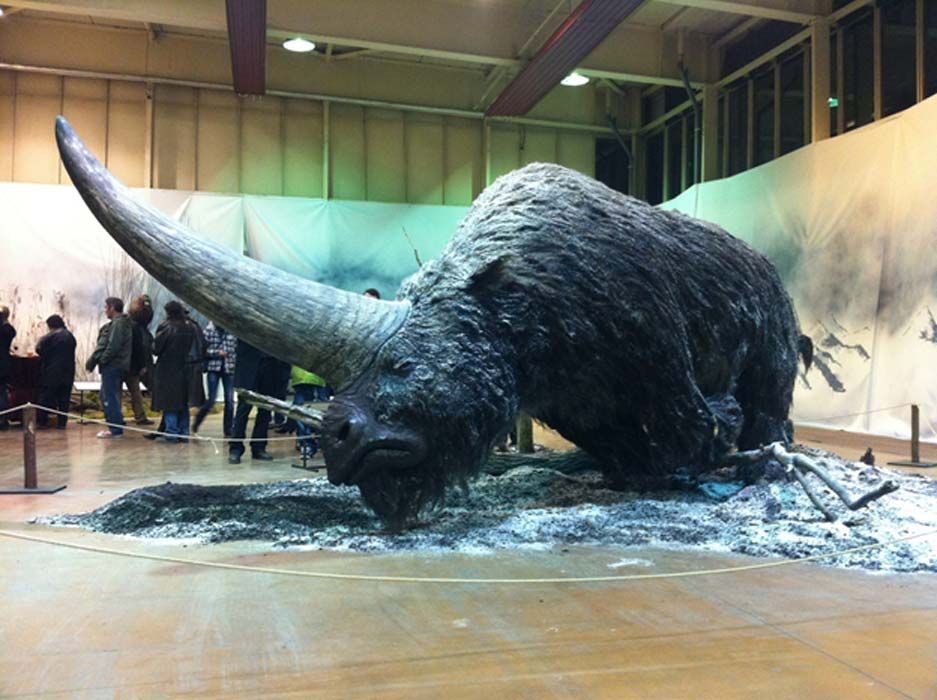
This is how were the unicorns...when they used to exist

 
Related

You have to watch the reaction when a puppy meets firefighter who saved her

Amazing histories
420 points

Squirrel knocks on family window every day: years later they realize what she s trying to show them

Amazing histories
594 points


Most recent

Sesenta años después

Enrique TF
10 points

De la angustia del 10 % a durar 2 días: la solución a las baterías que se agotan en eventos

Tecnología
10 points

REINO UNIDO EMPIEZA A MIRAR DE NUEVO A EUROPA

Enrique TF
8 points

Alerta pymes: por qué vender más no siempre significa ganar dinero en Colombia

Economía
12 points

De corregir a preservar: así avanza la tecnología de bioestimulación para la longevidad de la piel

Salud
26 points

Kaizen Gaming y la industria tech activan fondo de emergencia tras recientes terremotos

Tecnología
12 points

¿Cómo combatir la fatiga mental?

Familia sana
10 points

Más de 500.000 niños en Colombia se unieron de forma simultánea por la salud oral escolar

Salud
10 points

La resiliencia comunitaria como motor de transformación social en Córdoba, Argentina

Familia sana
16 points

El futuro del trabajo: Cómo se adaptará la juventud al mercado laboral de los próximos años

Hablemos de eso
14 points
SHARE
TWEET
The unicorn is a being that comes from fairy tales, resembling a horse with a horn on the forehead from which comes a rainbow, or that is what many people believed.

This is how were the unicorns...when they used to exist

However, thousands of years ago there was an animal called Eosmotherium sibiricum, better known as the 'Siberian unicorn', which was not half as nice as we know it to be.

In reality it was more like a rhinoceros with a lot of hair. It was two meters high and almost five in length and certainly had a giant horn.

While this is not a new finding, research published in the American Journal of Applied Sciences states that this species lived on the planet much less time than previously thought.

Previous studies have pointed out that the Siberian unicorn was extinct 350,000 years ago, but this new research finds its demise only 29,000 years ago thanks to the study of a fossilized skull found in Kazakhstan.

To explain how this specimen could survive so long after the death of his contemporaries, the paleontologist at Tomsk University said that "it is likely that Southwest Siberia would be a refuge where the species could survive much more than in the rest of the planet ".

Fuente: www.adn40.mx
SHARE
TWEET
To comment you must log in with your account or sign up!
Featured content