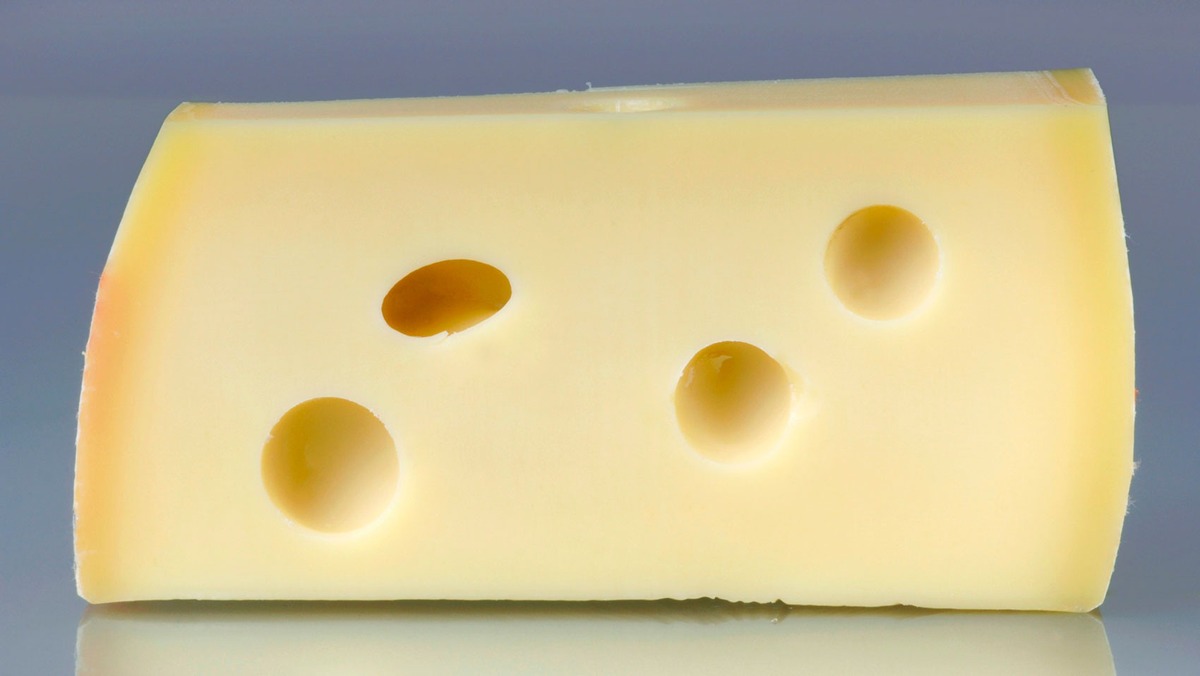
Mystery of holes in Swiss cheese finally solved

53.33% credibility
 
Related

Scientists have discovered that you can eat as much chocolate as you want

Health
1004 points

Intelligent people are more easily distracted at work, study claims

Health
716 points


Most recent

Ni botones ni manos: el celular que detecta sus movimientos para grabarlo desde cualquier ángulo

Prensa
14 points

Las razones por las que levantarse agotado no es estrés sino un riesgo de salud

Prensa
12 points

El valor de la comunicación en las organizaciones sociales

Hablemos de eso
6 points

La IA obliga al 84% de empresas a buscar urgentemente expertos en ciberseguridad

Tecnología
4 points

Estrategias para promover el trabajo en conjunto

Hablemos de eso
14 points

La ONU, espejo de un mundo cada vez más dividido

Enrique TF
8 points

El cielo se iluminó

Enrique TF
8 points

La campaña en Bogotá que cambia juguetes para niños afectados por el sismo por diversión gratuita

Estilo de Vida
10 points

Cuando el tiempo nos mira

Enrique TF
14 points

7 Tendencias empresariales que están transformando el mundo corporativo en Perú

Hablemos de eso
16 points
SHARE
TWEET
he mystery of Swiss cheese and its disappearing holes has finally been solved.

Mystery of holes in Swiss cheese finally solved

A Swiss agricultural institute discovered that tiny specks of hay are responsible for the famous holes in cheeses like Emmental or Appenzell.

As milk matures into cheese these "microscopically small hay particles" help create the holes in the traditional Swiss cheese varieties.

The government-funded Agroscope institute said in a statement Thursday that the transition from age-old milking methods in barns to fully-automated, industrial milking systems had caused holes to decline during the last 15 years because the systems being used are cleaner.

In a series of tests, scientists added different amounts of hay dust to the milk and discovered it allowed them to regulate the number of holes.

Agroscope said in a statement that the fascination with the formations in the cheese stretches back to 1917 when a detailed review of Emmental was published by American William Clark. He contended they were produced because of carbon dioxide from bacteria.

Fuente: mashable.com
SHARE
TWEET
To comment you must log in with your account or sign up!

Comentarios más recientes
Georgia Symon
I Got Hooked On Having An Online Business Almost A Decade Ago When I Created An Online Course And Made My First ......... WWW.TIMES-REPORT.COM
 
Featured content