When does caffeine become harmful?

 
Related

Eye-catching NuBike goes with drive levers instead of a chain

Health at home
788 points

How to tell if cheat days are sabotaging your weight loss

Health at home
490 points


Most recent

10 experiencias imperdibles en San Miguel

Ocios y what!?
16 points

Salir de la zona de confort: La clave para desarrollar las habilidades que el mercado laboral busca

Hablemos de eso
10 points

El despertar del talento: Las grandes oportunidades de crecimiento en Lima, Perú

Hablemos de eso
6 points

Donde el saber y la vida se encuentran: Ser estudiante en La Plata

Hablemos de eso
14 points

El grito del hielo que se derrite ante la indiferencia del mundo

Enrique TF
8 points

¿Está tomando un antibiótico que no necesita? Señales para saberlo y evitar riesgos

Prensa
18 points

Innovación Verde: Cómo la Tecnología Sostenible Impulsa la Reputación Corporativa

Hablemos de eso
12 points

Estrategias para involucrar equipos y generar impacto

Hablemos de eso
6 points

Por qué cada vez más jóvenes argentinos eligen comprometerse con causas sociales

Familia sana
16 points

Irán desafía a un Trump errático tras el vencimiento del acuerdo entre Teherán y Washington

Enrique TF
8 points
SHARE
TWEET
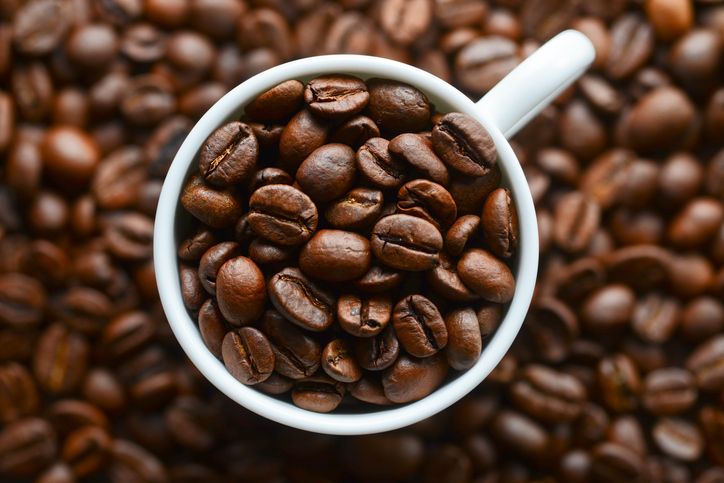
Many people won't start the day without a cup of coffee.

When does caffeine become harmful?

More filter coffee

Caffeine, the stimulant found in coffee, isn't harmful to most people who consume 400mg or less each day, the US National Library of Medicine says.

According to studies, more South Africans are switching from instant coffee to filter coffee. In 2010 there was a 17% increase in South Africans drinking pure ground coffee.

The average 250ml cup of coffee contains 95 to 200mg of caffeine, while a 350ml energy drink contains 70 to 100mg of caffeine.

When caffeine becomes harmful

If you're pregnant, breast-feeding or have conditions including anxiety, ulcers or irregular heartbeat, you probably should limit intake or avoid caffeine altogether, the agency advises.

Here's the NLM's assessment of how caffeine affects the body:

It stimulates the central nervous system, which can make you feel more awake and give you a boost of energy.

It is a diuretic, which helps your body get rid of extra salt and water by causing you to urinate more.

It increases the release of acid in your stomach, which can trigger an upset stomach or heartburn.

It may interfere with the body's absorption of calcium.

It increases blood pressure.

Fuente: www.health24.com
SHARE
TWEET
To comment you must log in with your account or sign up!
Featured content